Where the aircraft type hides in your booking
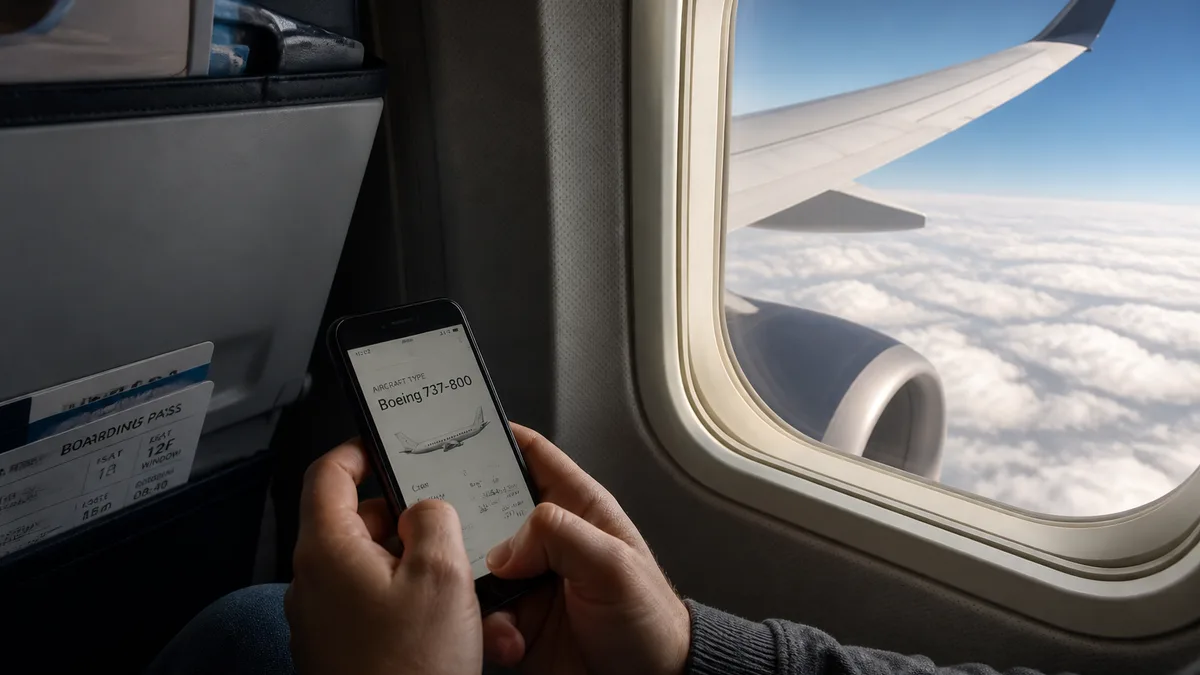
Airlines tell you the planned aircraft at the moment of booking — the type sits in the flight-details line, usually under the flight number and times, and again in Manage My Booking and the airline's app after purchase. Third-party booking sites show it too, though less prominently. This is the planned equipment: reliable months out, worth re-checking as departure approaches, because fleets are living things and schedules get re-cut.
Learn to read what you see: the manufacturer and family ("Airbus A350", "Boeing 787") matter less to your experience than the specific variant and the airline's own configuration of it. Two airlines' versions of the same aircraft — and often two aircraft in the same airline's fleet — can differ completely in seats, Wi-Fi and layout. Our airline reviews record which cabin products a carrier flies; the aircraft type is how you find out which one you have drawn.
The seat map is the truth serum
Whenever you want to know whether anything has changed, open the seat map. Every cabin layout has a recognisable shape — where the doors break the rows, how many seats abreast, where the bulkheads and galleys sit — and an equipment swap redraws that shape instantly, usually before any email reaches you. If your selected seat number has silently changed or disappeared, that is the aircraft changing underneath you.
Check the map when you book, once when online check-in opens, and again the night before. Airlines re-accommodate seat selections automatically on a swap, and automatically is not the same as well: couples get split, extra-legroom purchases land on ordinary rows, and bassinet positions evaporate. Catching the swap early — while good seats on the new layout are still open — is the entire game. If you paid for seat selection and the swap devalued it, airlines refund seat fees on request.
Same type, different cabin: the refit lottery
The subtlest version of this problem is one aircraft type, two products. Airlines refit fleets over years, not weekends, so a carrier's long-haul type often flies in both the new cabin the adverts show and the older one the adverts stopped showing. The flight number is loyal to neither: aircraft rotate through routes as maintenance and scheduling dictate.
The clues, in rising order of certainty: the seat map shape (new and old cabins rarely share a layout); the airline's own aircraft pages, which often list how many of a type carry the new product; and the aircraft registration, when you can get it — registrations tie to specific airframes, and enthusiast databases record which airframes have been refitted. None of this is guaranteed until the door closes, which is worth internalising: buy the airline whose worst cabin on the route is acceptable to you, and treat the refit as an upgrade you might draw.
Watching your actual aircraft live
On the day, the question stops being schedule data and becomes a physical aeroplane — one that is usually flying an earlier rotation before it becomes your flight. Live trackers show the aircraft operating your flight number in real time: our global flight tracker plots it from open ADS-B transponder data, and watching your inbound aircraft cross the map is both the nerdiest and the most reliable way to know whether your departure will be on time and on type.
This is also how equipment swaps and delays reveal themselves hours before the departures board admits anything: if your aircraft is still on the ground two countries away at boarding time, you have learned something the gate has not announced yet. Pair the tracker with the airline app's aircraft detail and you will usually know your registration, your cabin, and your realistic departure time before the gate agent does.
When the swap costs you: your rights
Most equipment swaps are experience-neutral and no compensation attaches to flying an older cabin in the class you booked — the contract is for the class, not the seat model. The line is crossed when the swap moves you to a lower class than you paid for: an involuntary downgrade. Under UK261 (and its retained EU equivalent), a downgrade entitles you to reimbursement of a fixed percentage of the fare for that flight — 30 percent on short flights, 50 percent on medium, 75 percent on long-haul — which is deliberately more than the fare difference.
Claim it in writing from the airline, citing the regulation, and do not accept vouchers unless you prefer them. Paid extras that the swap destroyed — seat selection, extra legroom, paid Wi-Fi on a plane that has none — are refundable on request separately. Our UK261 guide covers the wider framework, including when delays and cancellations around the swap carry their own compensation.