Why inaugurals are worth chasing
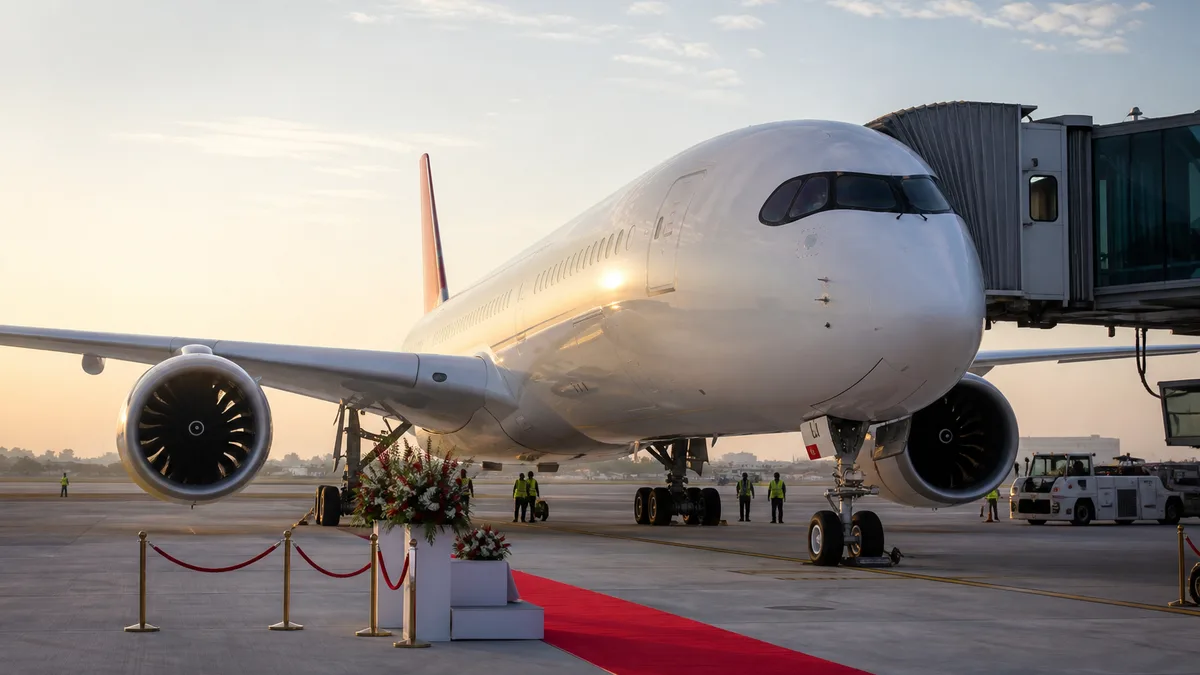
Airlines spend real money making a first departure feel like an occasion, because the photographs do a launch's marketing for it: banners and cake at the gate, senior crew who volunteered for the flight, executives shaking hands at the door, and — the tradition everyone comes for — the water-arch salute, where airport fire tenders spray crossing jets of water over the taxiing aircraft. Some airlines hand out certificates, branded gifts or menu specials; enthusiasts collect inaugural boarding passes the way others collect first-day stamps.
The commercial logic works in your favour too. A new route has no booking history, so airlines commonly open it with promotional pricing to build momentum and fill the early departures that press coverage will describe as full or empty. That makes inaugural windows one of the few times premium cabins on interesting routes are priced to move — and why fare-watchers treat route announcements as a starting gun.
Where routes are announced before they exist
Every airline announces routes through its press newsroom weeks to months before tickets make sense to most travellers — that is the entire point of the announcement. The reliable sources, in order: the airline's own media centre or newsroom page; the departure airport's press pages (airports co-announce, because they fought to win the route); and aviation-news outlets that republish schedule filings. By the time a route reaches mainstream deal newsletters, the launch fares have usually been picked over.
Announcement and bookability are different moments: a route is announced, then loaded into reservation systems, sometimes days later. If the announcement interests you, check the airline's booking engine daily for the start date appearing — the first bookable day is your inaugural. Our airport guides list each airport's route character, and the live tracker is where you will watch the first arrival come in.
Booking the actual first flight
Identify the start date in the schedule, then book the first departure — not simply the cheapest early date, if flying the actual inaugural matters to you. Double-check the operating carrier: on codeshares the marketing airline's "launch" may be operated by a partner's aircraft, which changes the occasion entirely. Confirm the flight number and date against the airline's announcement, and remember westbound long-haul inaugurals can arrive the same day they leave while eastbound ones land the next day — get the return date right.
Set expectations on schedule risk honestly: launch dates do slip, for aircraft delivery, regulatory or slot reasons, and the first flight can be retimed or occasionally postponed. Book flexible fares where your plans are rigid, and treat any positioning flights, hotels and connections with the same caution you would give a tight connection — if the inaugural moves, everything attached to it moves too.
On the day: making the most of it
Arrive earlier than you would for a normal departure — gate festivities start before boarding, and the best of the occasion (speeches, cake, crew photos) happens landside of the jetbridge. Say yes to the memorabilia: inaugural certificates and menus become genuinely collectable, and crews on launch flights are usually delighted to be asked for a photograph. If a water salute is going to happen, the window seats on the terminal side see the fire tenders first; the arrival airport often salutes too.
Photograph the details a normal flight would not have — the special headrest covers, the route-launch menu card, the flight number on the airshow map — and note the aircraft registration, which our tracker links to the aircraft's live position on future days. One caution for the enthusiastic: cabin crew announcements about photography rules still apply on inaugurals, and the aircraft is a workplace mid-celebration.
The honest risk: new routes are mortal
The same absence of booking history that produces launch fares also means the route is unproven. Airlines review new routes hard after the first seasons, and the industry pattern is stable: a meaningful share of new routes are trimmed, made seasonal, or cut when they underperform. That is no reason to avoid inaugurals — it is a reason to enjoy them now and to book flexible if you are planning a trip a year out on a route that did not exist last month.
If a route you booked is cancelled outright before travel, UK and retained EU rules give you rerouting or a full refund, and our UK261 guide covers when cancellation compensation applies on top. Understanding why routes live and die is its own subject — our companion guide on why airlines launch and cut routes explains the economics that decide whether your new favourite route survives.