Ginza, Tokyo
Ginza Kojyu
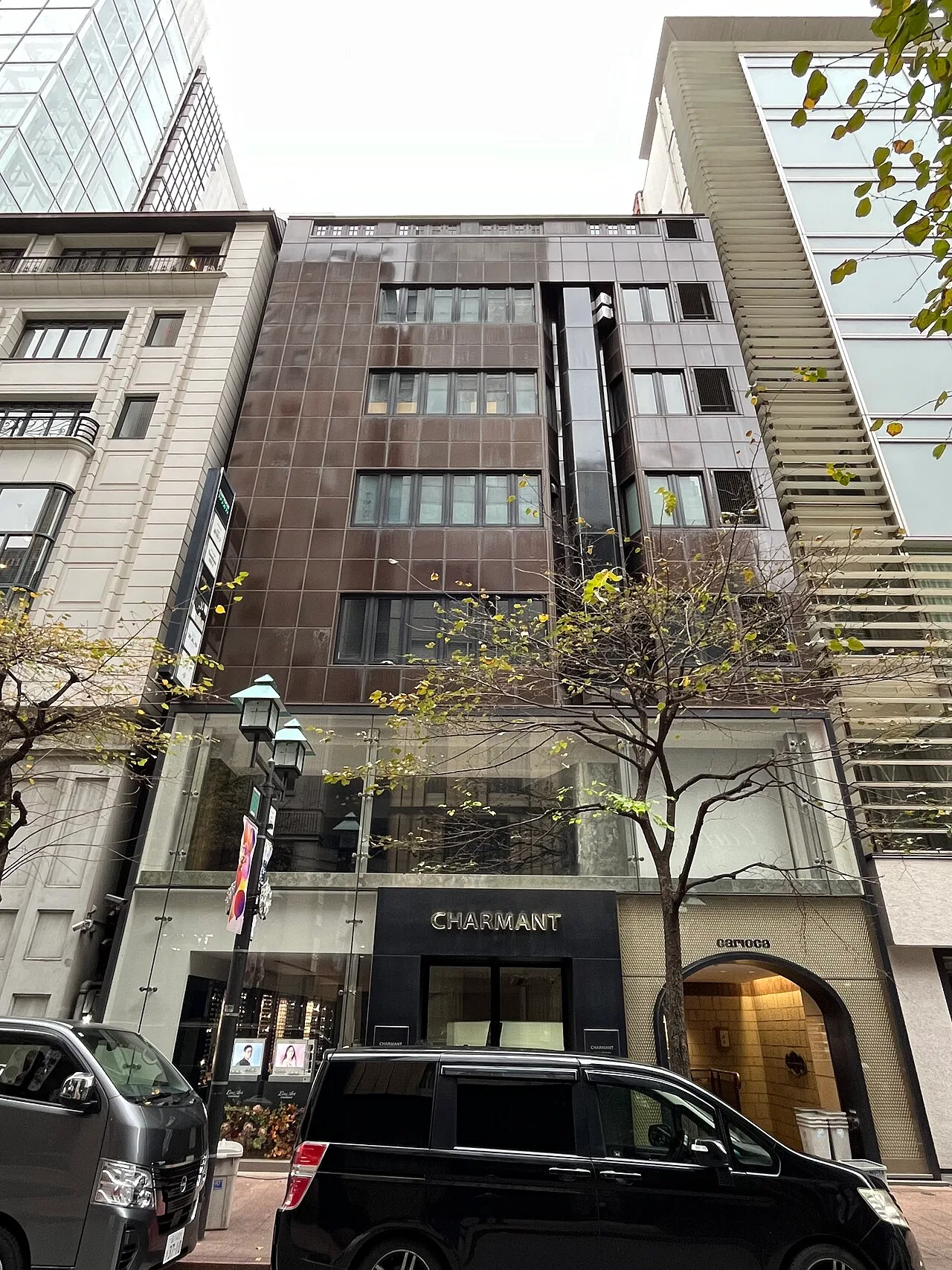
An eight-seat hinoki counter in Ginza where dashi does the talking and the menu changes by the week.
FlightLogic expert score: 9.2/10 · ££££ · Japanese , Kaiseki
 ★★ Michelin Stars
 Photo: LittleT889 / Wikimedia Commons / CC BY 4.0
Quick answer
Is Ginza Kojyu worth visiting? FlightLogic assigns an expert score of 9.2/10 based on editorial research. The 4.7/5 star figure is an editorial composite for guide comparison — not a verified consumer aggregate. It has 2 Michelin stars. Best for special occasions, food enthusiasts, business dinner.
About Ginza Kojyu
Chef-owner Toru Okuda's counter runs on restraint: a dashi built from Makurazaki bonito and Rishiri kombu that anchors every course, and a kitchen that would rather under-season a Kyoto turnip than mask it. The eight-seat hinoki bar puts you close enough to watch the binchotan shift color as sweetfish and Kegani crab move across it. Two MICHELIN Stars have sat with Kojyu since well before its current Ginza address, and the room still runs the way a serious kaiseki counter should — quiet, unhurried, built around what arrived at the market that morning.
Menu highlights
Editorial rating breakdown
Published reviews
Sorted by date (newest first). We do not reorder by rating or “helpfulness”. Review integrity policy
- 5.0Editorial sample
The suimono course alone justifies the reservation wait — Chef Okuda let the kombu speak instead of burying it under sauce, which is rarer than it should be at this level.
Response from Ginza Kojyu
Thank you, Tazaki-san. We look forward to your next visit when the ayu season begins.
- 4.0Editorial sample
Booked through our hotel concierge three months out and it was worth the lead time; the only knock is the pacing felt slightly rushed during the second seating.
Submit a verified dining review
Consumer reviews require on-site geolocation verification or transaction proof before publication. See our review integrity policy.
How far in advance should I book Ginza Kojyu?
Reserve eight to twelve weeks ahead, and earlier still for peak seasons like ayu (June–August) or matsutake (autumn). The eight-seat counter turns over quickly, and same-week availability is rare even on weekdays.
Is there a set menu, or can I request specific dishes?
The omakase kaiseki course is the only format on offer, built around that day's market selections. Guests with allergies or strong dislikes should flag them when booking; the kitchen will adjust within the course rather than offer a la carte substitutions.
More in Tokyo
 ★★ Michelin
Akasaka Kikunoi
Japanese · Kaiseki
Expert 9.2/10
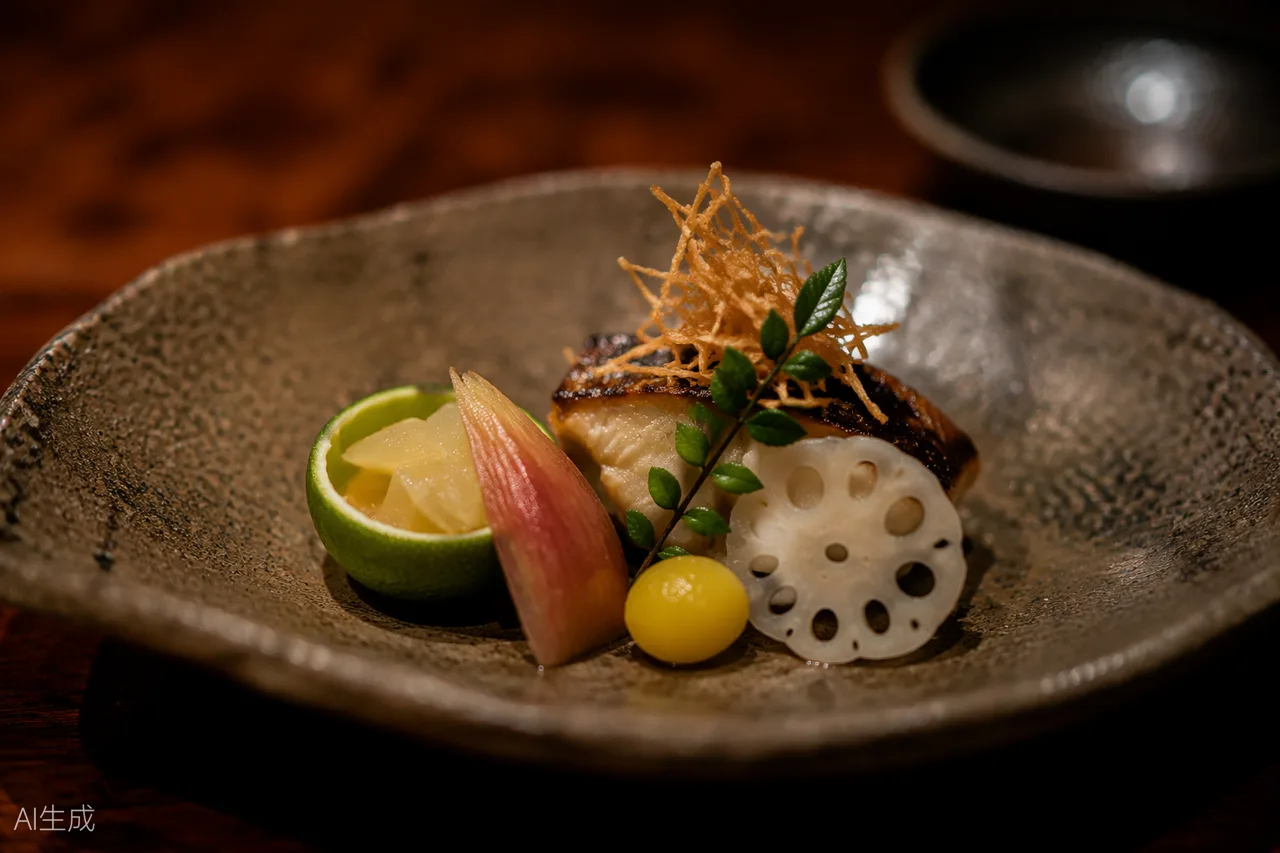
Kyoto kaiseki grammar transplanted to a hushed Akasaka townhouse, two Michelin Stars intact.
 ★★★ Michelin
Azabu Kadowaki
Japanese · Kaiseki
Expert 9.6/10
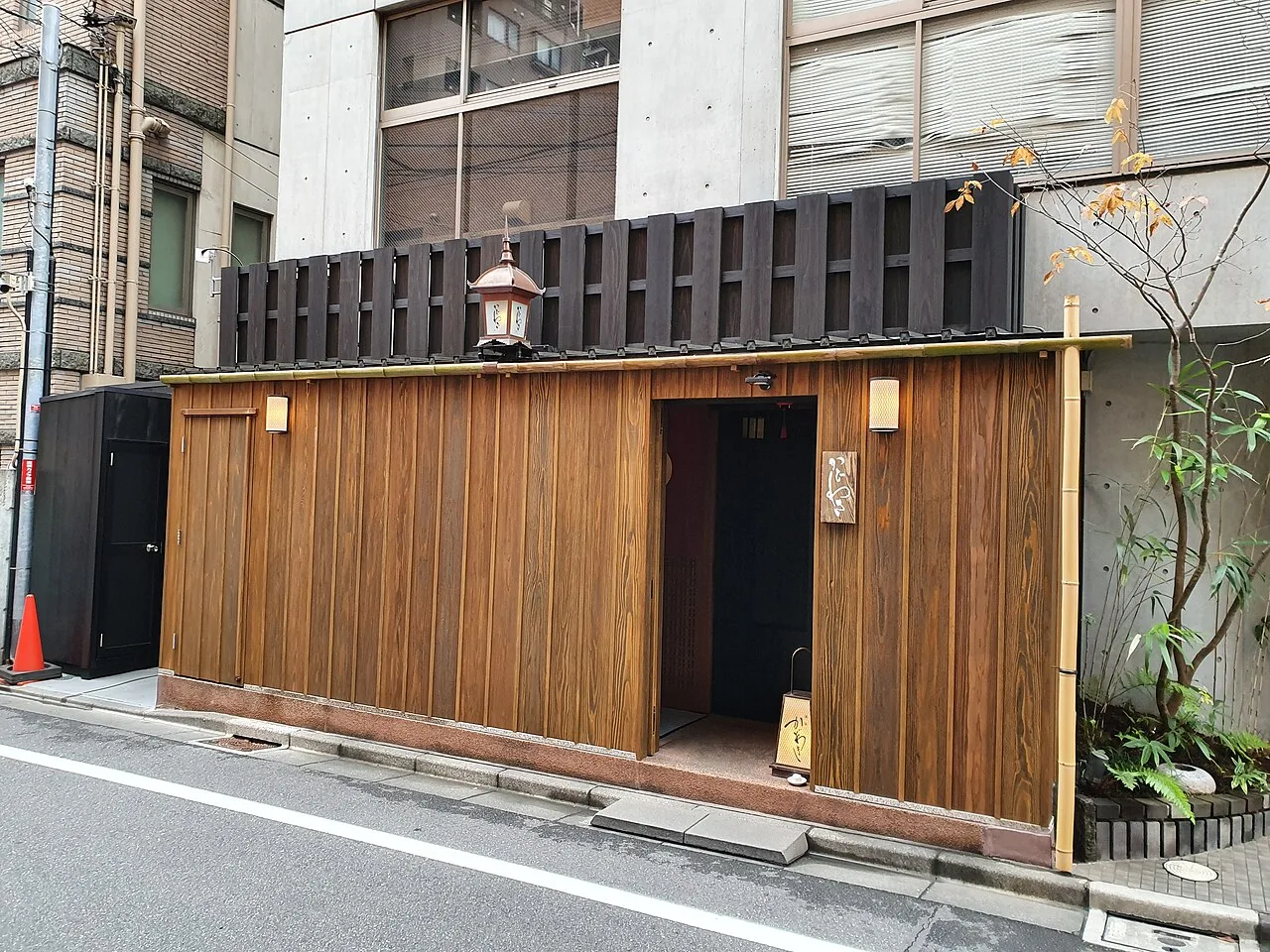
An eight-seat counter where Toshiya Kadowaki has held three stars since 2020 on precision alone.