Why airlines reject valid claims — and why you should push back
Airlines routinely reject first-pass UK261 claims — often citing extraordinary circumstances without evidence, blaming weather on days most flights operated, or offering flight vouchers instead of statutory cash. Rejection is not a final answer; it is the start of a process many passengers abandon too early.
Airlines routinely reject first-pass UK261 claims — often citing extraordinary circumstances without evidence, blaming weather on days most flights operated, or offering flight vouchers instead of statutory cash. Rejection is not a final answer; it is the start of a process many passengers abandon too early.
CAA data and ADR scheme statistics show a significant share of upheld complaints follow an initial airline rejection. The same compensation claims firms chase for a 25–35% fee is recoverable directly once you know the escalation route. A rejected claim letter that took the airline two minutes to generate should not cost you £150+ in fees.
Step 1 — Challenge the rejection in writing
Reply to the airline's rejection email or letter within 28 days. Quote The Air Passenger Rights and Air Travel Organisers' Licensing (Amendment) (EU Exit) Regulations 2019 (UK261). State that extraordinary circumstances must be proven by the airline, not assumed by the passenger.
Reply to the airline's rejection email or letter within 28 days. Quote The Air Passenger Rights and Air Travel Organisers' Licensing (Amendment) (EU Exit) Regulations 2019 (UK261). State that extraordinary circumstances must be proven by the airline, not assumed by the passenger.
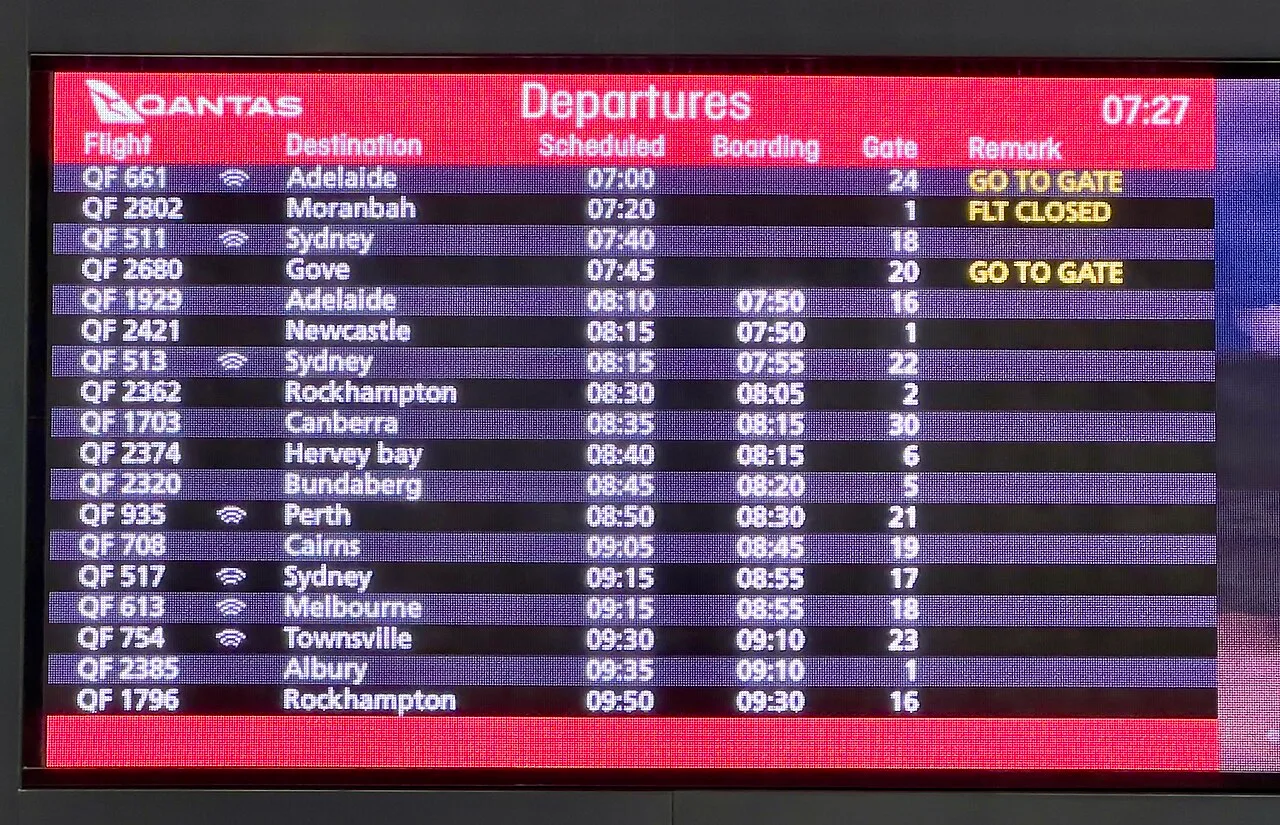
Attach evidence: boarding passes, booking confirmation, screenshots of actual arrival time from the airline app, FlightRadar24 or FlightAware records, and photos of departure boards if you have them. Request the specific reason code and internal delay report the airline relied on.
State the compensation tier you claim (£220, £350, or £260/£520) based on great-circle distance and arrival delay at final destination. Use the UK261 calculator at /guides/uk261-flight-delay-compensation-uk#uk261-calculator to confirm the tier before sending.
Step 2 — Alternative Dispute Resolution (ADR)
Most UK airlines selling tickets to consumers must belong to an approved ADR scheme. ADR is free, independent, and its decision is binding on the airline if it finds in your favour — the carrier cannot ignore an ADR award the way it might ignore a second email from you.
Most UK airlines selling tickets to consumers must belong to an approved ADR scheme. ADR is free, independent, and its decision is binding on the airline if it finds in your favour — the carrier cannot ignore an ADR award the way it might ignore a second email from you.
British Airways, Virgin Atlantic, and TUI use CEDR (Centre for Effective Dispute Resolution) at cedr.com/consumers/aviation. easyJet, Jet2, and Ryanair use AviationADR. Check your airline's website under "complaints" or "dispute resolution" for the exact scheme — the name must match the approved body listed on the CAA website.
File online with your rejection letter, evidence pack, and a clear timeline. ADR typically decides within 8–12 weeks. You can still accept an airline settlement offer while ADR is pending — but do not sign away future rights without reading the wording.
Step 3 — Civil Aviation Authority complaint
If the airline is not in an ADR scheme, or ADR does not cover your situation, complain to the CAA via its passenger portal at caa.co.uk/passengers. The CAA cannot order payment in individual cases the way ADR can, but it investigates systemic non-compliance and can pressure airlines — useful when patterns of bad-faith rejections emerge.
If the airline is not in an ADR scheme, or ADR does not cover your situation, complain to the CAA via its passenger portal at caa.co.uk/passengers. The CAA cannot order payment in individual cases the way ADR can, but it investigates systemic non-compliance and can pressure airlines — useful when patterns of bad-faith rejections emerge.
For flights departing or arriving in the UK, the CAA is the national enforcement body for UK261. Include the same evidence pack. Reference whether duty-of-care was also denied — the CAA tracks care failures separately from compensation disputes.
Step 4 — Small claims court (England and Wales)
If ADR finds against you but you believe the law is on your side — or the airline ignores an ADR award — you can sue in the small claims track. In England and Wales, use Money Claim Online (gov.uk/make-court-claim-for-money) for claims up to £10,000. Court fees start at £35 for a £500 claim and scale with amount.
If ADR finds against you but you believe the law is on your side — or the airline ignores an ADR award — you can sue in the small claims track. In England and Wales, use Money Claim Online (gov.uk/make-court-claim-for-money) for claims up to £10,000. Court fees start at £35 for a £500 claim and scale with amount.
UK261 compensation is a statutory debt — you are not claiming vague "distress" but a fixed sum per passenger set in regulation. Small claims judges apply UK261 regularly and do not require a barrister. Bring your evidence pack, the airline's rejection letters, and ADR outcome if applicable.
In Scotland, use the Simple Procedure via sheriff courts; in Northern Ireland, the Small Claims Court at the county court. Limitation periods apply — six years in England and Wales, five in Scotland — same as the underlying UK261 claim window.
Claims companies — when they are and are not worth it
No-win-no-fee claims firms take 25–35% of your compensation plus VAT for submitting forms you can complete in 15 minutes. They have no special legal powers — they use the same ADR and court routes. The only scenario where a firm might help is if you have zero time and multiple complex multi-passenger claims — even then, the fee on a family long-haul claim can exceed £600.
No-win-no-fee claims firms take 25–35% of your compensation plus VAT for submitting forms you can complete in 15 minutes. They have no special legal powers — they use the same ADR and court routes. The only scenario where a firm might help is if you have zero time and multiple complex multi-passenger claims — even then, the fee on a family long-haul claim can exceed £600.
Never sign exclusivity that prevents you from escalating yourself if the firm stalls. Check whether the firm is registered with the Financial Conduct Authority as a claims management company. For a single £350 medium-haul claim, self-filing always wins on net payout.