The five numbers to compare before premium
Medical expenses and repatriation: the core section. Verify "worldwide including USA" wording, not just "worldwide" with USA excluded in small print. Europe-only trips still need £2 million+ limits because private evacuation and specialist treatment fall outside GHIC.
Medical expenses and repatriation: the core section. Verify "worldwide including USA" wording, not just "worldwide" with USA excluded in small print. Europe-only trips still need £2 million+ limits because private evacuation and specialist treatment fall outside GHIC.
Cancellation and curtailment: the limit must equal or exceed your total non-refundable trip cost — flights, hotels, car hire, tours, and event tickets combined. A policy with a £2,000 cancellation cap fails when your non-refundable flights alone cost £2,500.
Scheduled airline failure cover: optional on many policies, not standard. DIY flight-plus-hotel bookings have no ATOL protection — airline failure cover or Section 75 on credit card payments over £100 are your fallbacks. Package holidays sold by ATOL-licensed firms have separate collapse protection.
Policy excess: voluntary higher excess lowers premium but increases out-of-pocket cost per claim. Compare total cost at an excess you could pay twice on one disrupted trip.
Per-trip duration on annual policies: caps of 31, 45, or 60 days per journey are common. Long-stay winter sun, cruises, and gap years need specialist single-trip cover regardless of annual policy marketing.
Secondary numbers still matter: personal liability, legal expenses, baggage, gadget, and cash limits. They should not drive the first sort, but check them before deciding a policy really is the best travel insurance for UK flights on your booking.
Single-trip vs annual multi-trip for flyers
Single-trip cover is bought per journey — best for one high-value holiday, long stays exceeding annual caps, or trips with unusual activities requiring specialist wording.
Single-trip cover is bought per journey — best for one high-value holiday, long stays exceeding annual caps, or trips with unusual activities requiring specialist wording.
Run the annual vs single trip insurance comparison before you buy: price the exact first trip as single-trip cover, then price the same traveller profile as annual multi-trip. Add realistic single-trip quotes for any later trips you already expect, not a guess based on headline premiums.
Annual multi-trip suits repeated short holidays when each journey sits within the duration cap and destinations match the policy territory. The typical shape is that annual cover is worth testing from two to three trips a year, but it is not automatically cheaper and it is not automatically broader.
Check edge cases before choosing annual: one long trip can breach the per-trip cap; winter sports may need a paid annual add-on; cruise cover may need a specific cruise extension; and Europe-only annual cover will not help if one trip shifts to the USA, Caribbean, or long-haul.
Cancellation cover starts at policy inception. Buying insurance the week before departure leaves you exposed if illness forces cancellation earlier. Book insurance when you book non-refundable flights — the same day if possible.
Medical screening, GHIC, and pre-existing conditions
Every FCA-regulated insurer runs medical screening questions. Pre-existing conditions travel insurance UK quotes depend on complete disclosure: declare diagnosed conditions, symptoms under investigation, recent surgery or hospital visits, medication changes, mental health conditions, and anything on the insurer's conditions list. Non-disclosure can void claims even when the medical issue seems unrelated.
Every FCA-regulated insurer runs medical screening questions. Pre-existing conditions travel insurance UK quotes depend on complete disclosure: declare diagnosed conditions, symptoms under investigation, recent surgery or hospital visits, medication changes, mental health conditions, and anything on the insurer's conditions list. Non-disclosure can void claims even when the medical issue seems unrelated.
Screening usually ends in one of four outcomes: standard cover, a premium loading, cover with an exclusion for the condition, or a decline. A higher premium is not proof of unfair pricing; it is a signal to compare specialist medical travel insurers rather than hiding the condition.
AllClear and Staysure are established UK travel-insurance specialists that publish cover routes for pre-existing medical conditions and older travellers. Treat them as specialist-market examples, not rankings. Compare their policy wording, medical screening answers, excesses, and cancellation limits against mainstream quotes.
MoneyHelper, run by the Money and Pensions Service at moneyhelper.org.uk, has a travel insurance directory listing specialist medical travel insurers. Since April 2021, FCA rules require travel-insurance firms in certain circumstances to signpost consumers with serious pre-existing medical conditions to a specialist directory when they decline cover, exclude the condition, or quote a heavily loaded premium.
Carry a valid GHIC or in-date EHIC for EU trips and declare it when buying cover — some insurers reduce medical excess or expect you to use state healthcare where appropriate. GHIC covers medically necessary state healthcare in the EU and some other participating places at the same cost as a local resident, which may mean free care or a local patient contribution. See /guides/ghic-ehic-uk-travellers-guide.
GHIC is not insurance. It never covers medical repatriation to the UK, private clinics, ski or mountain rescue, baggage, cancellation, or airline failure. Renew free through the official NHS site; avoid paid application sites that charge for a card the NHS provides free.
Adventure sports (skiing, scuba, trekking above 3,000m) often need add-ons. Cruise policies may require specific cruise cover for ship-to-shore evacuation. FCDO "advise against all travel" warnings usually void standard policies for that destination.
ATOL is collapse protection, not travel insurance
ATOL protects many flight-inclusive package holidays sold by ATOL holders. If the ATOL holder fails, the scheme is designed to protect the holiday money and, where relevant, help with continuing the trip or getting home.
ATOL protects many flight-inclusive package holidays sold by ATOL holders. If the ATOL holder fails, the scheme is designed to protect the holiday money and, where relevant, help with continuing the trip or getting home.
ATOL does not cover medical bills, cancellation because you are ill, baggage, delay compensation, poor hotel quality, or DIY flight-plus-hotel bookings where you bought separate components yourself. It also does not usually protect a flight-only booking where you receive a valid e-ticket in exchange for payment.
For DIY trips, fill the gap deliberately: scheduled airline failure cover in the policy, sometimes called airline failure cover insurance, can help if an airline collapses; Section 75 can help on qualifying credit-card payments over £100; chargeback may help on debit cards or smaller card payments but is not a statutory right.
Check the ATOL certificate before relying on it. The certificate should name the ATOL holder, show what is protected, and explain who to contact if the company fails. If the booking confirmation talks about ATOL but no certificate arrives after payment, challenge it before travelling.
How travel insurance stacks with UK261 and credit card protections
UK261 pays fixed cash compensation (£220–£520) when UK-covered flights arrive 3+ hours late and the airline is at fault — separate from insurance. Insurance may pay a lump sum for delays after 12 hours regardless of fault, or reimburse meals and hotels when UK261 duty-of-care fails — read the delay section carefully.
UK261 pays fixed cash compensation (£220–£520) when UK-covered flights arrive 3+ hours late and the airline is at fault — separate from insurance. Insurance may pay a lump sum for delays after 12 hours regardless of fault, or reimburse meals and hotels when UK261 duty-of-care fails — read the delay section carefully.
Premium credit cards sometimes include trip cancellation and delay insurance when you charge the fare to the card. These benefits have caps and exclusions — file with the airline under UK261 first, then card benefits, then standalone insurance without double-claiming the same expense.
Section 75 recovers flight costs when an airline collapses or refuses refunds on £100+ credit card bookings — see /guides/section-75-flight-holiday-bookings-uk. Insurance airline-failure cover and Section 75 address similar risks; you need at least one on DIY bookings.
Claim-proof the trip before you travel
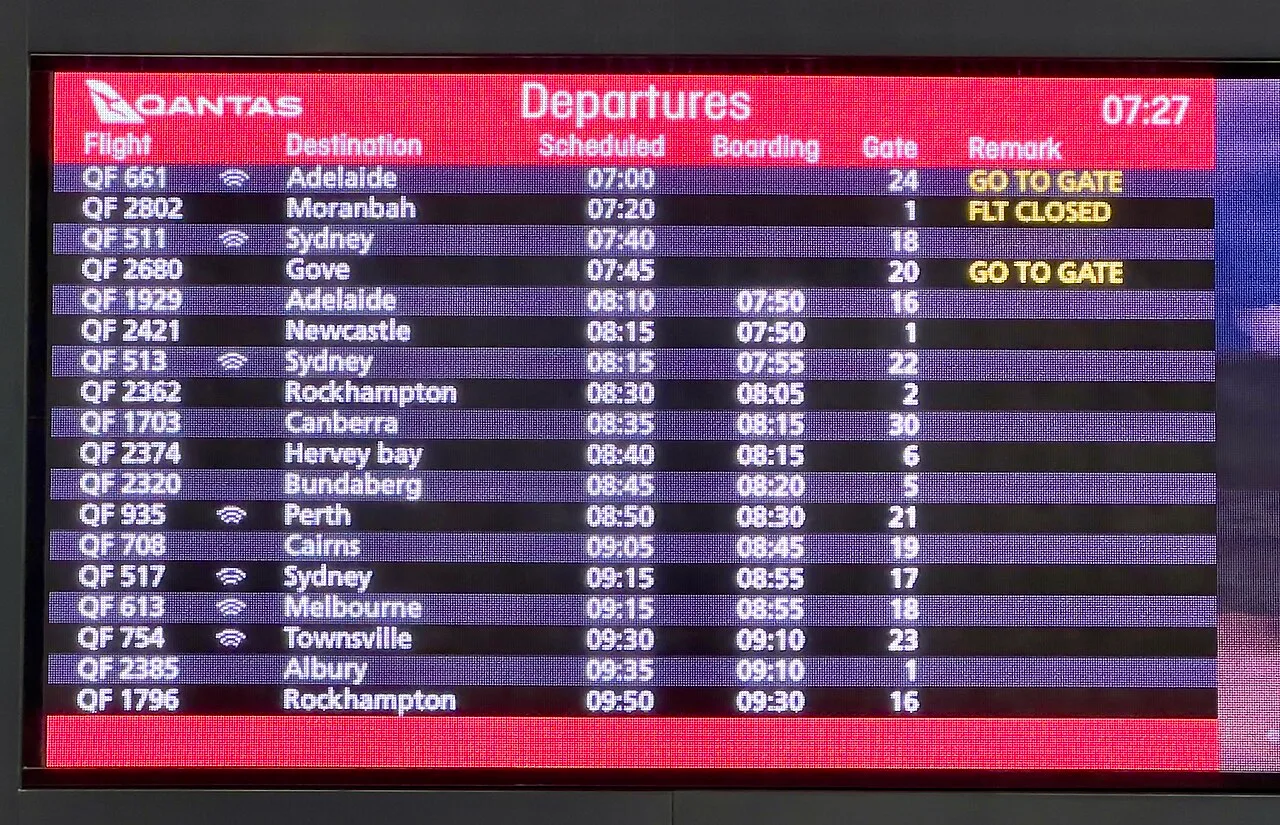
At buy time, save the policy schedule, IPID, full wording, medical-screening confirmation, receipts, booking confirmations, and screenshots showing what was non-refundable. If a flight is delayed or cancelled, photograph the departure board and ask the airline for written confirmation of the reason.
At buy time, save the policy schedule, IPID, full wording, medical-screening confirmation, receipts, booking confirmations, and screenshots showing what was non-refundable. If a flight is delayed or cancelled, photograph the departure board and ask the airline for written confirmation of the reason.
For theft or loss, report to local police or the transport operator within the policy window and keep the crime reference, property irregularity report, or written incident note. Many baggage and gadget sections fail without timely third-party evidence.
For medical claims, call the insurer's emergency medical line before non-urgent private treatment, hospital admission, extra accommodation, or repatriation plans. In an emergency, get treatment first, then contact the assistance line as soon as practical.
Watch claim deadlines. Policies often require notification within a set number of days after the event or return home, and they may apply excess per person, per section, per incident. One disrupted family trip can therefore trigger more than one excess.
If a claim is refused, use the insurer's complaints process first and keep the final response. If you remain unhappy, escalate to the Financial Ombudsman Service free within six months of the date on the final response.
Packaged bank insurance vs standalone policies
Packaged current accounts from Barclays, NatWest, HSBC, and others often include worldwide travel insurance. Check the policy document for age limits (commonly 70–80), maximum trip length, USA inclusion, and whether family members travelling separately are covered.
Packaged current accounts from Barclays, NatWest, HSBC, and others often include worldwide travel insurance. Check the policy document for age limits (commonly 70–80), maximum trip length, USA inclusion, and whether family members travelling separately are covered.
Standalone policies from comparison sites offer clearer cover levels and easier switching when your trip profile changes. Packaged insurance wins on convenience when the bundled schedule genuinely matches your trips and age profile.
Do the same screening discipline on packaged accounts as on standalone cover: declare medical conditions, check activity add-ons, and confirm whether the bank or the underlying insurer handles claims before you fly.