Standard carry-on dimensions by region
US majors (American, Delta, United) standardize around 22 x 14 x 9 inches for the overhead bin bag plus a personal item (backpack, purse) under the seat. Southwest allows slightly generous sizing on paper but sizers at busy gates still bite. Always check your specific airline — "regional partner" flights on smaller aircraft may have reduced bin space.
US majors (American, Delta, United) standardize around 22 x 14 x 9 inches for the overhead bin bag plus a personal item (backpack, purse) under the seat. Southwest allows slightly generous sizing on paper but sizers at busy gates still bite. Always check your specific airline — "regional partner" flights on smaller aircraft may have reduced bin space.
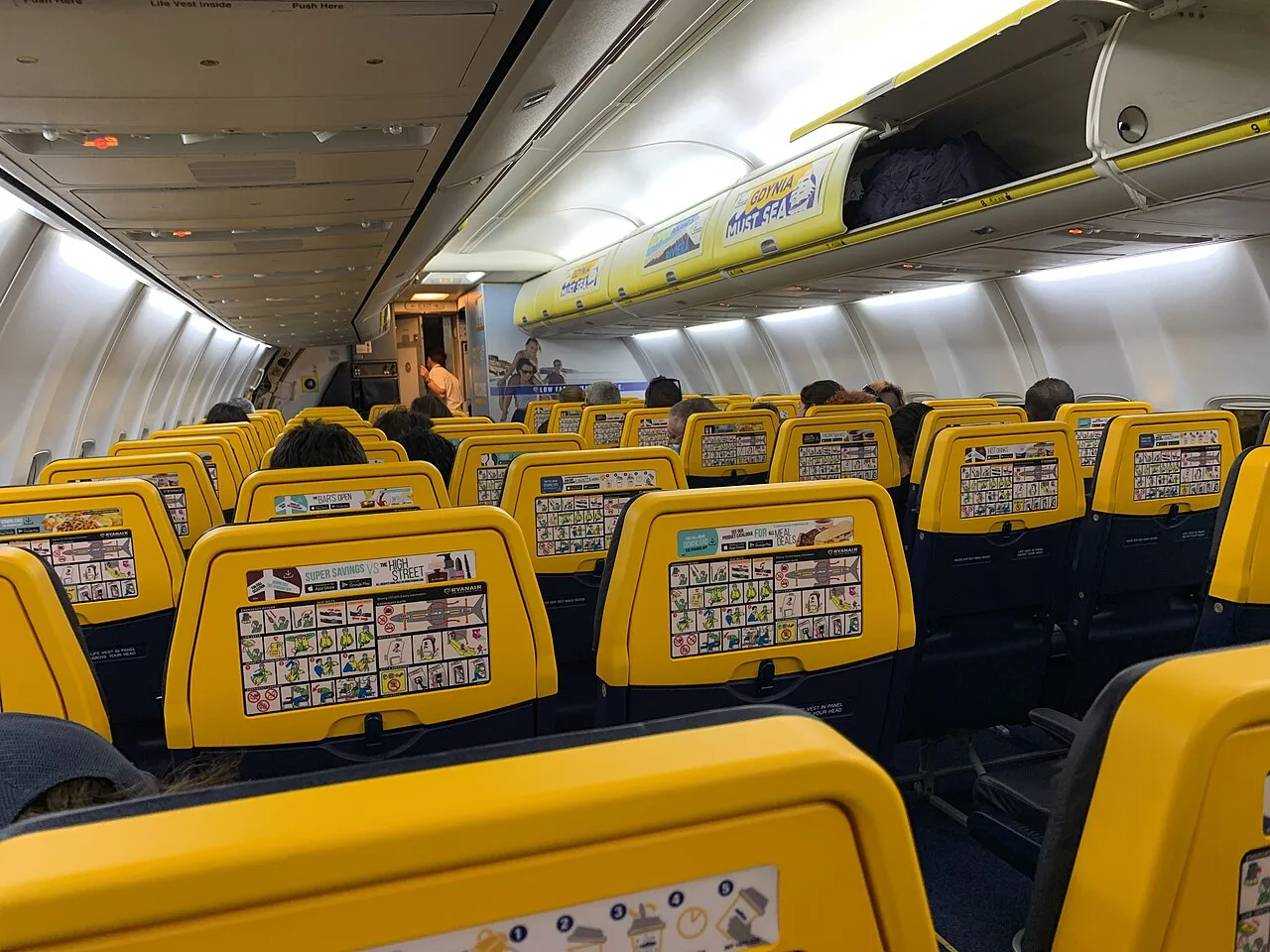
European full-service carriers (BA, Lufthansa, Air France) typically allow 55 x 40 x 23 cm carry-ons plus a small personal item. Budget carriers Ryanair and Wizz Air sell priority boarding with larger cabin bags as an add-on — the base fare often limits you to a small bag under the seat only.
Basic economy and budget fare traps
US domestic basic economy on American, Delta, and United includes a full carry-on — a policy change from earlier years when personal-item-only was common. International basic economy on United and some other carriers may still restrict carry-ons to a personal item on transatlantic fares — read fare rules at checkout.
US domestic basic economy on American, Delta, and United includes a full carry-on — a policy change from earlier years when personal-item-only was common. International basic economy on United and some other carriers may still restrict carry-ons to a personal item on transatlantic fares — read fare rules at checkout.
Ultra-low-cost carriers (Spirit, Frontier, Allegiant in the US; Ryanair, Wizz, easyJet in Europe) unbundle carry-ons entirely on the cheapest fares. A $30 add-on at booking beats a $65+ gate fee when the agent tags your bag at boarding. See /guides/is-basic-economy-worth-it for fare-class context.
Personal items — what fits under the seat
Personal item limits are less standardized and less aggressively enforced than roll-aboards, but oversized backpacks get flagged at busy gates. A safe target is roughly 17 x 13 x 8 inches — large enough for a laptop bag or small backpack. Ladies' handbags and camera bags usually pass if not clearly exceeding airline published limits.
Personal item limits are less standardized and less aggressively enforced than roll-aboards, but oversized backpacks get flagged at busy gates. A safe target is roughly 17 x 13 x 8 inches — large enough for a laptop bag or small backpack. Ladies' handbags and camera bags usually pass if not clearly exceeding airline published limits.
Some travelers use a maximal personal item plus a checked bag to avoid carry-on fees on budget airlines. Pack dense and heavy items in the personal item if it meets size rules — weight limits apply on some European budget carriers even for cabin bags.
Enforcement, gate checking, and liquids
Full flights trigger gate-checking of roll-aboards even when your bag is regulation size — there is simply no bin space. Gate-checked bags on US domestic flights are usually free; on budget carriers, a carry-on you paid for should still be free when gate-checked — keep your receipt.
Full flights trigger gate-checking of roll-aboards even when your bag is regulation size — there is simply no bin space. Gate-checked bags on US domestic flights are usually free; on budget carriers, a carry-on you paid for should still be free when gate-checked — keep your receipt.
Liquids remain 100 ml per container in a single quart/litre bag through US and EU security. Duty-free liquids in sealed STEB bags are allowed on connecting itineraries in some countries but not all — US connections often require checking duty-free liquids if you clear customs and re-screen.